You are here: Home » News » Knowledge Center
  • What is the Lifespan of Clay Bricks?
    Recent studies say clay bricks can last 200 years. This makes them a good choice for buildings that need to last long. How long bricks last depends on many things. These things include weather, how good the bricks are, and how often they are cared for. Water, freezing and thawing, and city pollution
    2025-08-26
  • Difference between refractory castable and refractory cement
    The main difference between refractory castable and refractory cement is what they are made of and how they work. Refractory castable has special materials. These materials help it handle heat better and make it stronger than regular refractory cement. Fire brick and Refractory Brick are very import
    2025-08-25
  • What makes an excellent thermal insulator? Low thermal conductivity and thermal storage
    An excellent thermal insulator stops heat from moving through it easily. Materials with low thermal conductivity, like monolithic refractories, slow heat transfer. They do this by trapping air or using thick structures. The table below shows that monolithic refractories, such as Insulyte castables,
    2025-08-25
  • Why Choose Silicon Carbide for Kiln Furniture Components?
    Recrystallized silicon carbide is a great pick for kiln furniture. It works well in tough jobs. This material is very strong. Kiln shelves and beams last longer with it. It can hold heavy things without breaking. Many industries use recrystallized silicon carbide. It can handle high heat and strong
    2025-08-25
  • How to cut Insulating Fire Bricks
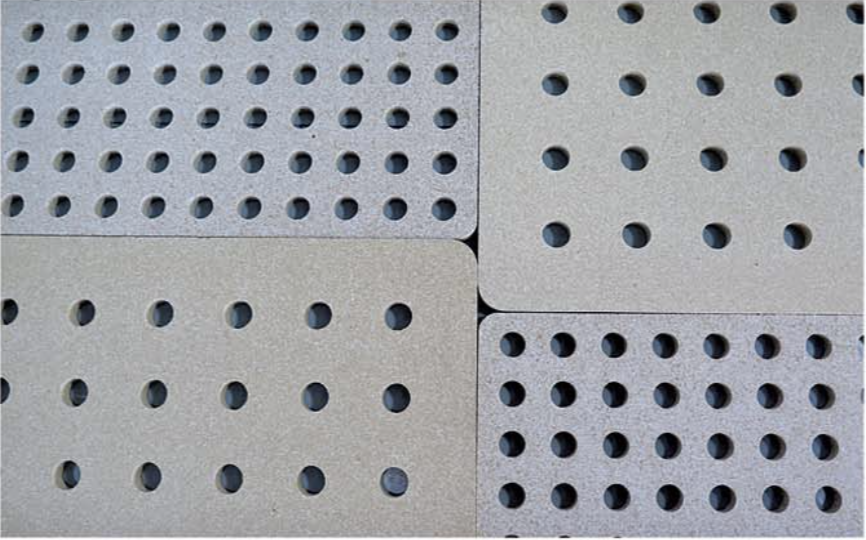
    Cutting insulating bricks is easy because they are light and have many tiny holes. These fire bricks are not heavy and have soft surfaces, so you can shape and fit them easily. Insulating firebricks keep heat in very well and save money when used in hot places. Using the correct cutting tool and wea
    2025-08-25
  • What Is Castable Refractory Cement And Its Benefits
    Castable refractory cement is a special material for heat-resistant buildings. It is a kind of monolithic refractory. It mixes powders and binders. When you add water, it makes strong linings. These linings protect against high heat and chemicals. Steel, cement, and power plants use these refractori
    2025-08-24
  • Classifying Refractory Materials: Acidic, Basic & Neutral Types Explained
    Refractory materials are very important in industries with high heat. They can handle very hot and tough conditions. Monolithic refractories do not have a fixed shape. They are easy to put in place. Many industries use them, like iron and steel, cement, and power plants. These refractories make smoo
    2025-08-24
  • Total 10 pages  Go to Page
  • Go

NAVIGATION BAR

PRODUCT CATEGORIES

CONTACT US

   No.108 WANJIE ROAD , HIGH-TECH ZONE, ZIBO,SHANDONG,CHINA 
   +86-0533-5207252
  +86-0533-5207253
   tom@yufengrefractory.com        
   yufeng_refractory         
Copyright  2019 ZIBO YUFENG REFRACTORY CO,LIMITED     
鲁ICP备19052737号