


What you will learn:
- Cleaning sequence: how to cool, unload, remove loose residue and treat bonded deposits.
- Tool selection: which brushes, vacuums and scrapers are suitable for cordierite kiln furniture.
- Contamination control: how to handle glaze, powder, ash and product fragments.
- Inspection: how to identify cracks, warpage, edge damage and unsafe support points.
- Maintenance planning: how to set cleaning frequency and replacement criteria.
At a Glance
| Section | Summary |
|---|---|
| Why cleaning matters | Explains how residue and damage affect firing quality and service life. |
| Tools and preparation | Lists suitable cleaning tools and precautions before handling hot furniture. |
| Routine cleaning procedure | Provides a step by step cleaning sequence for shelves, props and setters. |
| Removing different residues | Explains how to approach glaze, powder, ash and stuck fragments. |
| Inspection after cleaning | Shows what to check before returning components to the kiln. |
| Cleaning frequency and records | Connects cleaning intervals to firing cycles and process risk. |
| When to repair or replace | Describes limits for cracks, warpage, contamination and wear. |
| Summary and FAQ | Concludes with a practical maintenance checklist and answers. |
Why Cleaning Cordierite Kiln Furniture Matters
Cleaning keeps cordierite kiln furniture stable, predictable and less likely to transfer defects to the next firing. Shelves, batts, props, setters and saggars are exposed to glaze vapors, ceramic powder, ash, fragments and handling dust. If this material accumulates, it can change contact points, reduce flatness or become fused to the ware.
Cordierite kiln furniture is valued for low thermal expansion and strong thermal shock resistance, but those properties do not make it immune to mechanical damage. A shelf can still chip when struck, and a prop can fail if it has a hidden crack. Residue may also create local high points that put stress on a green or partially fired product.
In production, I treat cleaning as both a quality task and an inspection task. The operator removes contamination while checking whether the component remains suitable for service. This combined approach is more effective than cleaning without recording damage, because repeated small defects can eventually create a kiln setting problem.
Tools and Preparation
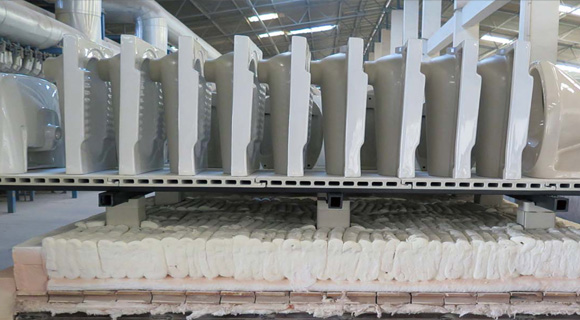
Use dry, low impact tools that remove residue without scratching or shocking the ceramic. The exact tool depends on the residue, but the starting set is usually simple: a soft natural or nylon brush, a low pressure industrial vacuum with suitable filtration, a wooden or plastic scraper, a clean work surface and protective gloves.
Do not move cordierite kiln furniture while it is still hot. Even a material with good thermal shock resistance can be damaged by uneven cooling, cold water or sudden contact with a cold metal surface. Allow components to cool according to the kiln and production procedure, then move them with two hands or suitable lifting equipment.
The cleaning area should be dry and free from loose metal debris. If the process involves powders or glaze residues, use local dust extraction and the personal protective equipment required by the site risk assessment and safety data for the material being removed.
| Tool or condition | Recommended use | Reason |
|---|---|---|
| Soft nylon or natural brush | Loose powder, ash and light dust | Low impact and suitable for routine cleaning |
| Industrial vacuum | Fine particles and inaccessible corners | Reduces airborne dust and prevents redistribution |
| Wooden or plastic scraper | Small bonded deposits | Less likely to score the ceramic than metal tools |
| Metal hammer or chisel | Not recommended | Can chip edges, create cracks or damage a flat surface |
| Water or cold liquid | Avoid unless an approved procedure exists | Can create thermal shock, absorption or drying problems |
Routine Cleaning Procedure
A consistent cleaning sequence is safer than aggressive spot cleaning. I recommend cleaning one component at a time so that the operator can identify its location, condition and any residue pattern. This also helps production teams compare damage across kiln zones.
Step 1: Cool and document
Wait until the kiln furniture is at a safe handling temperature. Before brushing, note any broken ware, glaze runs or unusual discoloration. A quick photo or record can help identify whether a problem is related to a particular shelf level or firing position.
Step 2: Remove loose material
Place the component on a stable, padded surface. Use a soft brush or vacuum to remove powder and loose fragments from the top, underside, edges, holes and support contact areas. Do not sweep aggressively across a sharp edge because small chips can develop into larger damage.
Step 3: Treat bonded residue
For a small glaze spot or fused particle, use a wooden or plastic scraper held at a shallow angle. Apply controlled pressure and work from the edge of the deposit toward the center. Stop if the deposit cannot be removed without force; excessive impact can damage the shelf more than the residue would.
Step 4: Clean the support system
Brush props, fittings, setter points and the kiln car contact area. A clean shelf on a dirty or damaged prop can still produce an unstable setting. Confirm that each component sits flat and that contact points are free from loose debris.
Step 5: Inspect and return to storage
After cleaning, inspect the component under good light and store it on a flat, protected surface. Avoid stacking heavy parts on thin shelves or placing clean components directly on a dirty floor.
Removing Different Residues
Residue should be identified before it is removed because glaze, powder, ash and product fragments behave differently. A routine brush is suitable for loose powder, while bonded glaze may require careful localized scraping or removal from service.
Glaze drips and fused spots
Glaze can form a hard, glassy bond. If the spot is small and shallow, a plastic or wooden scraper may be sufficient after cooling. If the deposit has penetrated a porous area, created a raised ridge or bonded over a large zone, do not grind aggressively across the surface. Evaluate whether replacing the component is safer.
Powder and calcined material
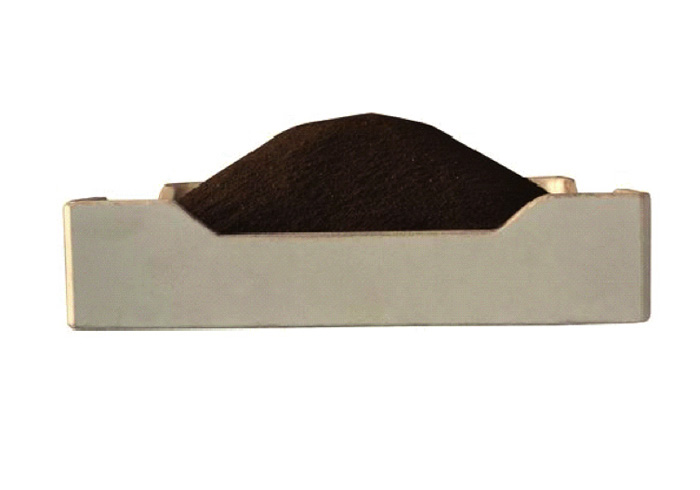
Fine powders can enter holes, grooves and saggar corners. Vacuum first, then brush the remaining material toward the extraction point. If the powder is chemically active, reactive or classified as hazardous, follow the site handling procedure rather than treating it as ordinary dust.
Ash and kiln atmosphere deposits
Ash may appear as a loose gray film or a more adherent layer. Dry brushing and vacuuming are the preferred first steps. Chemical washing should only be used when the material supplier and site safety team have approved the method, because liquid penetration and residual salts can affect later firing.
Stuck ceramic fragments
Do not strike a shelf to remove a stuck fragment. Isolate the piece, protect your hands and use a controlled scraper if possible. If the fragment is strongly fused or the shelf has cracked around it, remove the component from production and ask for a technical assessment.
Inspection After Cleaning
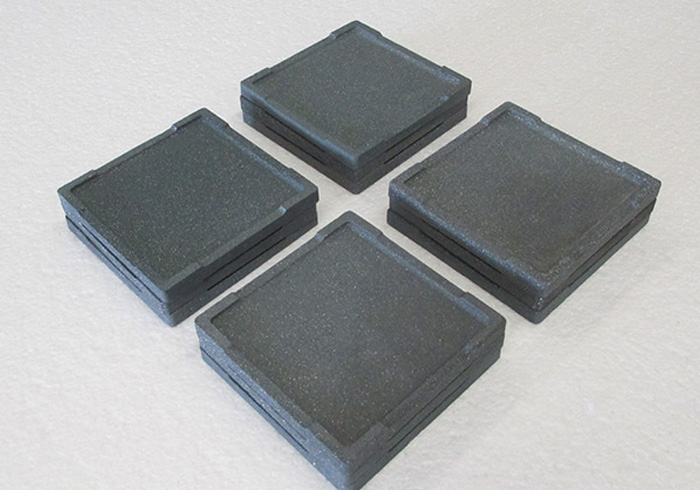
Inspection should confirm surface condition, flatness, edge integrity and support stability before the furniture returns to service. Use the same checklist for every batch so operators can identify gradual changes instead of relying on memory.
| Inspection point | Acceptable condition | Action if abnormal |
|---|---|---|
| Surface | Clean, without raised fused ridges | Remove localized residue or quarantine |
| Edges and corners | No cracks or loose chips affecting support | Separate damaged part for review |
| Flatness | No visible rocking on a reference surface | Check load history and replace if unsafe |
| Props and fittings | Stable, aligned and free from cracks | Replace individual support components |
| Saggars and setters | No through cracks or obstructed openings | Remove from the next firing cycle |
Pay particular attention to damage around holes, grooves and support points. These areas can experience stress concentration during handling or loading. A small surface mark may be acceptable in one location but unsafe if it changes the contact geometry between a shelf and a prop.
Cleaning Frequency and Records
Cleaning frequency should follow residue generation, firing temperature, product type and defect risk rather than a single universal calendar. High glaze loading, powder calcination and products that shed fragments usually require more frequent cleaning than clean, stable firing cycles.
Many production teams perform a light cleaning after every cycle and a deeper inspection at a defined number of cycles. The exact interval should be established from actual residue levels and failure history. Record the component type, kiln position, cleaning action, visible damage and decision to return or remove it.
A record is particularly useful when one area of the kiln shows repeated glaze deposits or warpage. The pattern may indicate a loading issue, airflow difference, uneven support or a product formulation problem. Cleaning data can therefore support process improvement rather than simply housekeeping.
When to Repair or Replace
Replace cordierite kiln furniture when cracks, warpage, severe chipping or contamination can affect safe loading or product quality. Cleaning cannot restore lost strength or correct a deformed support system.
Minor superficial marks may be monitored if they do not alter contact points or reduce stability. Through cracks, unstable props, significant rocking, sharp raised glaze ridges and repeated product contact defects should trigger quarantine. Do not return a component to service simply because it looks cleaner after scraping.
When ordering replacements, provide the component shape, dimensions, quantity, firing cycle and photos of the failed part. The complete cordierite kiln furniture range can include shelves, batts, supports, tubes, fittings, setters and saggars, so the supplier needs enough information to match the component to the setting.
Cleaning also protects the economics of a kiln setting. A shelf that is kept free from raised deposits can provide more predictable contact with the ware, while a clean prop stack can reduce the chance of rocking during loading. These small improvements matter in production because repeated misalignment may lead to chipped edges, uneven glaze coverage or unnecessary sorting after firing. The maintenance team should therefore treat cleaning as part of process control rather than a cosmetic operation.
When several furniture pieces are cleaned together, keep them identified by type and location. Mixing thin shelves, heavy batts and different prop heights can make the next setting inconsistent. Store components horizontally where possible, use separators that do not shed debris, and protect finished surfaces from metal tools. Before the next cycle, verify that the planned arrangement matches the approved kiln loading drawing.
Summary and Frequently Asked Questions
The safest way to clean cordierite kiln furniture is to cool it completely, remove loose residue with low impact tools, treat bonded deposits carefully and inspect every component before reuse. Avoid cold water, metal impact and uncontrolled grinding. Keep records so the cleaning interval reflects the real firing process.
Frequently asked questions
Can I wash cordierite kiln shelves with water?
Do not use water as a routine method unless an approved procedure confirms that the component can be safely cleaned, dried and returned to service. Cold liquid can create thermal shock or leave absorbed moisture.
What is the best tool for loose powder?
A soft brush combined with a suitable industrial vacuum is generally the least aggressive approach. Use dust controls appropriate to the powder.
Can I use a metal scraper on glaze?
A metal scraper can score or chip the ceramic surface. Start with a wooden or plastic scraper and quarantine the component if the deposit requires force.
How often should kiln furniture be cleaned?
Light cleaning may be needed after each firing, while deeper inspection should follow the residue level, product type and observed defect rate.
When should a shelf be replaced?
Replace it when cracks, warpage, severe edge damage, unstable contact or bonded contamination can affect loading safety or product quality.